New Emissions Mandates: Why Your Equipment Financing Needs Are About to Shift

What changed
New federal guidelines have fundamentally shifted the landscape for heavy-duty vehicle operations. The EPA has finalized updated greenhouse gas emissions standards for heavy-duty vehicles, a move designed to lower the environmental footprint of the logistics sector EPA. While the intent is environmental, the operational reality for the average owner-operator or small fleet manager is a significant increase in the cost of entry for compliant equipment, effectively sunsetting the financial viability of older, non-compliant assets.
How it works
The mechanism driving these changes is a tightening of technical requirements for engines and exhaust systems. Sources agree that these mandates are not merely administrative; they carry a direct price tag. While the EPA provides the regulatory framework that makes older equipment obsolete, the market response—documented by Commercial Carrier Journal—is a 15-20% increase in financing requirements to cover the specialized emissions tech embedded in new, compliant trucks Commercial Carrier Journal.
Who it hits
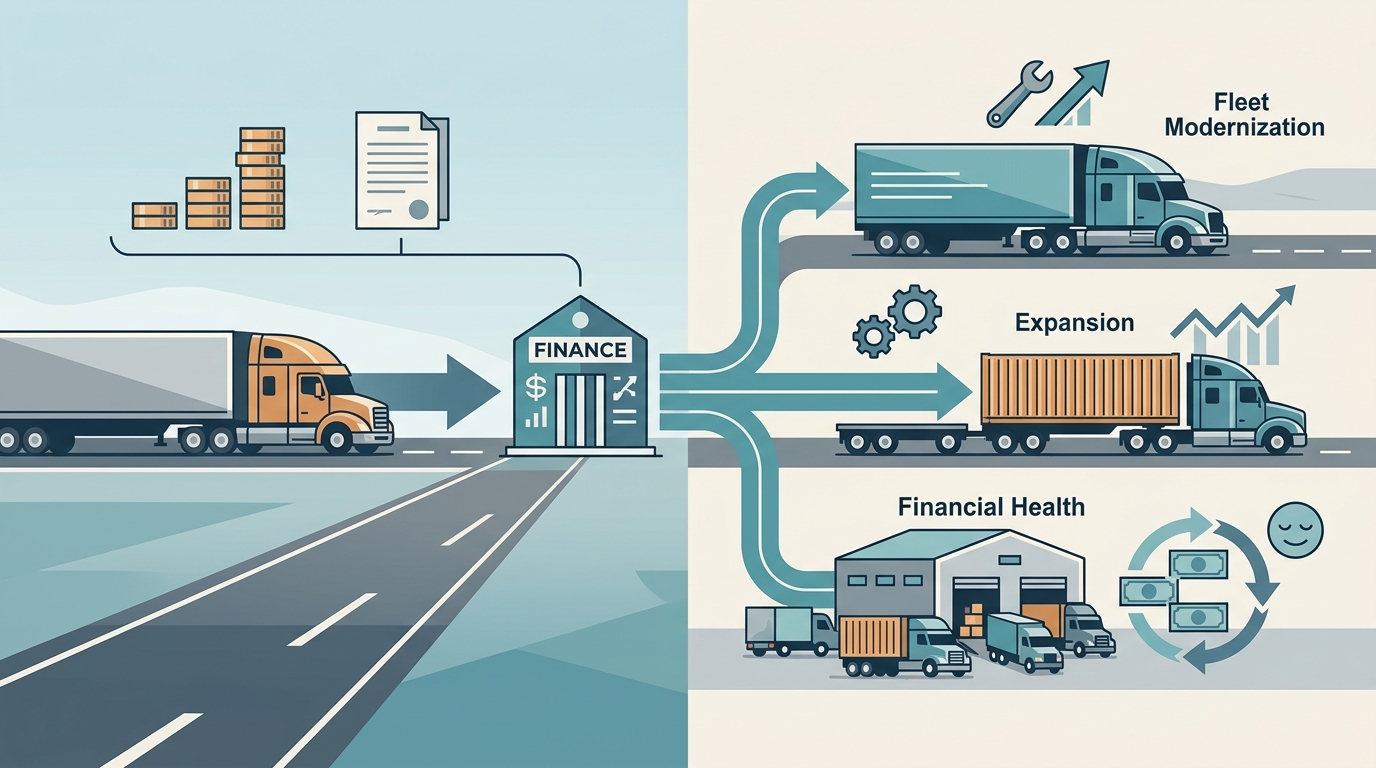
These changes disproportionately impact small-to-mid-sized fleets and owner-operators who typically rely on secondary market equipment or older fleet models to keep capital expenditures low. As these older trucks fall out of compliance, businesses are forced into the primary market for newer, more expensive equipment, which carries higher price tags and, consequently, higher monthly debt service obligations.
Why this matters for Owner-operators and fleet managers looking to scale or maintain their vehicles through strategic capital financing solutions in the US market.
For the owner-operator or fleet manager, this regulation translates directly into a higher cost-per-mile. If you are planning to scale, you must factor in that your "entry-level" equipment budget effectively needs a 15-20% cushion to secure compliant, financeable assets Commercial Carrier Journal. This isn't just an equipment cost; it's a financing qualification challenge. Lenders are adjusting their risk models to reflect the higher cost of these new assets, meaning your debt-to-income ratios and cash flow projections need to be tighter than ever before.
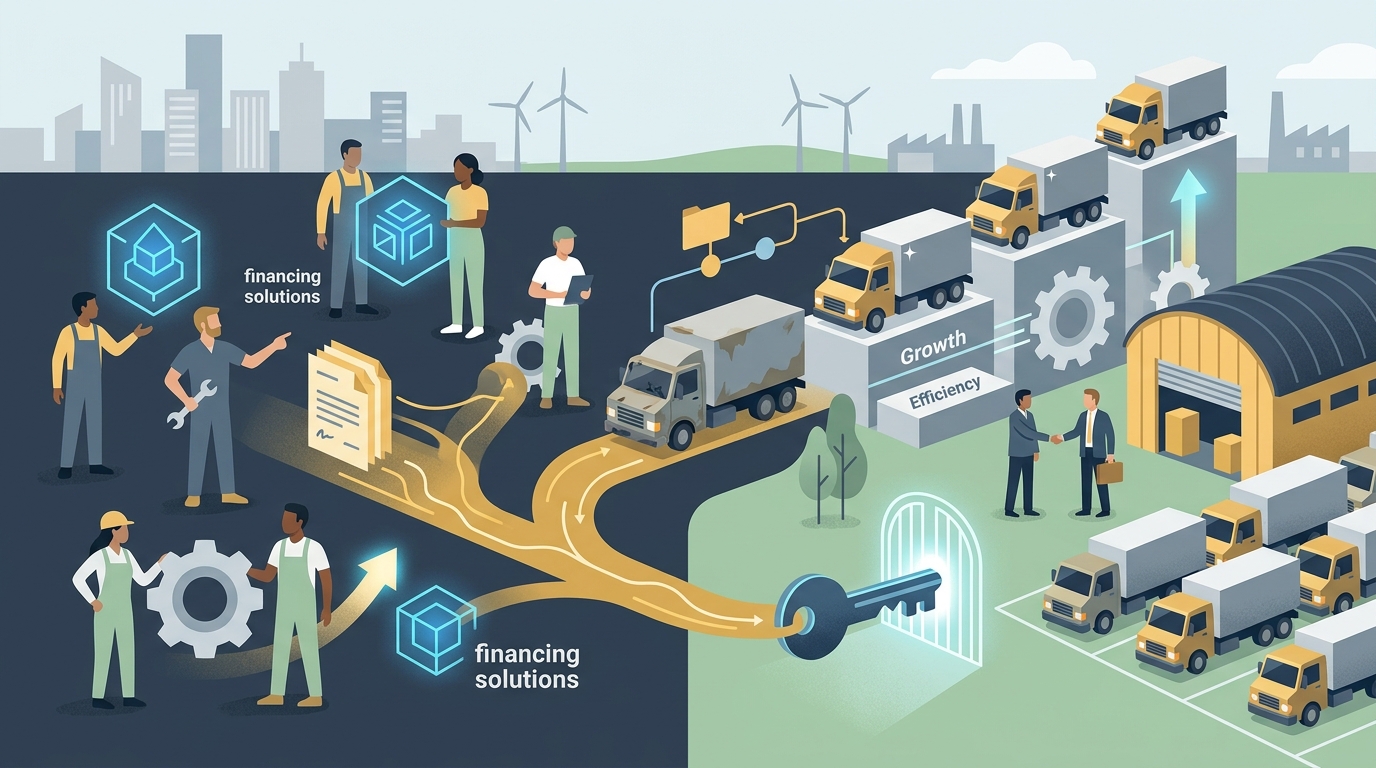
Waiting until your current fleet fails a compliance check puts you in a position of forced acquisition, where you lose leverage with lenders and pay premium pricing for rushed equipment procurement. Instead, strategic capital planning now involves pre-emptively upgrading your fleet or refinancing current assets to build cash reserves before the full impact of these mandates forces your hand. With financing costs surging by up to a fifth, your ability to maintain healthy margins depends on securing favorable terms now, before the broader market surge hits peak demand for compliant inventory.
Bottom line
Rising emissions standards are effectively increasing the cost of equipment financing by 15-20%, forcing fleets to account for higher debt service immediately. Proactive capital management and early financing assessment are now essential to maintain profitability while upgrading to compliant assets.
[Check your eligibility for current equipment financing rates today.]
Disclosures
This content is for educational purposes only and is not financial advice. fleetcashflow.com may receive compensation from partner lenders, which may influence which products are featured. Rates, terms, and availability vary by lender and applicant qualifications.
What business owners say
4.9-
This company was lightning fast and the experience was amazing. Thank you, Dan — you're a real pro!
-
Good service Joseph Krajewski is the best agent ever. He provided excellent service. I strongly recommend working with him if you have the opportunity.
-
They gave me a chance when nobody else would. I'm very satisfied.
Frequently asked questions
How much are financing costs rising due to new regulations?
Commercial Carrier Journal reports that equipment financing requirements have jumped by 15-20% specifically to accommodate the mandatory emissions technology now required in newer models.
Why is the EPA rule affecting my ability to finance older trucks?
The EPA's updated greenhouse gas emissions standards effectively create a higher barrier to entry for older equipment, making them less viable for compliance and, consequently, harder to finance or justify for long-term operations.
What should fleet managers do to prepare for these mandates?
Fleet managers should evaluate their current equipment cycle and secure financing pre-approvals early. Because the cost of compliant, newer equipment is rising, working capital and credit lines need to be adjusted to reflect the 15-20% premium on compliant assets.
- Fleet Financing Dashboard: Monitor Your Trucking Capital in Real-Time (21/06/2026)
- Commercial Fleet Vehicle & Equipment Financing for Trucking Companies in Grand Rapids, MI (2026) (16/06/2026)
- Commercial Fleet Vehicle & Equipment Financing for Trucking Companies in Port St. Lucie, FL (2026) (16/06/2026)
- Commercial Fleet Vehicle & Equipment Financing for Trucking Companies in Rochester, NY (2026) (16/06/2026)
- Commercial Fleet Vehicle & Equipment Financing for Trucking Companies in Oxnard, CA (16/06/2026)
- Commercial Fleet Vehicle & Equipment Financing for Trucking Companies in Birmingham, Alabama (16/06/2026)
- Commercial Fleet Vehicle & Equipment Financing for Trucking Companies in Fayetteville, NC (16/06/2026)
- Commercial Fleet Vehicle & Equipment Financing for Trucking Companies in Santa Rosa, CA (2026) (16/06/2026)